


-

Add: HeBei ShengShi HongBang Cellulose Technology CO.,LTD.
-

Email
13180486930@163.com -

CONTACT US
+86 13180486930

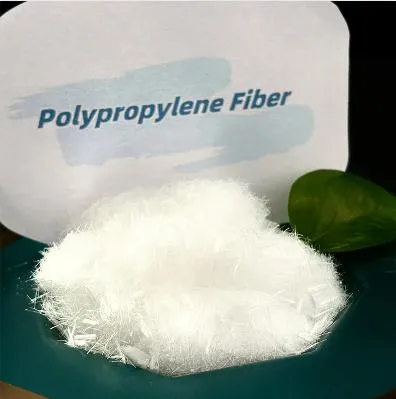
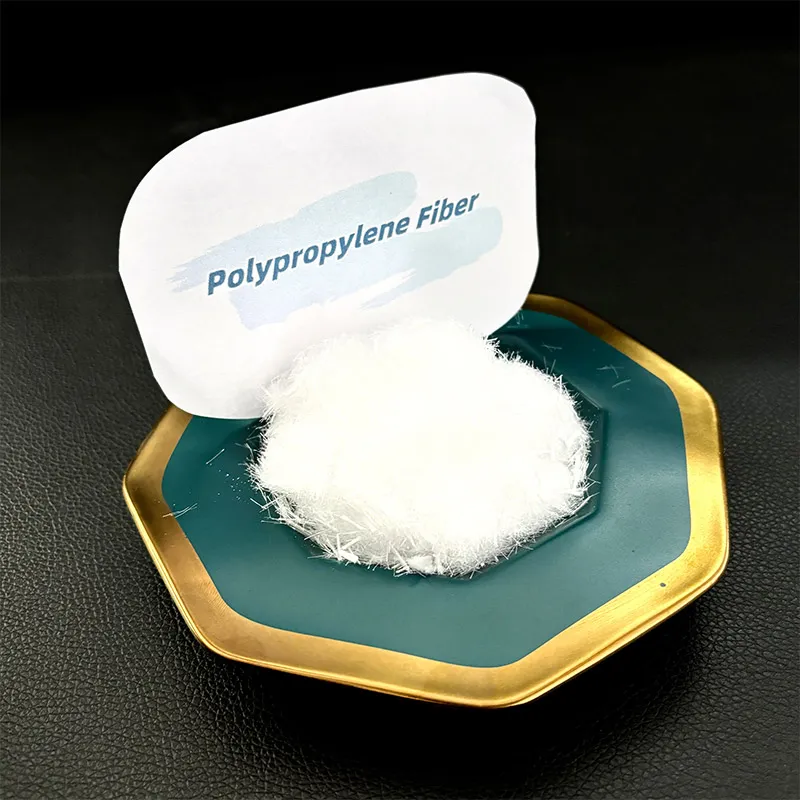


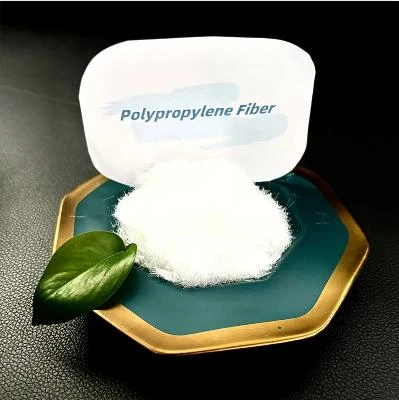
Understanding Polypropylene Fibers for Concrete Slabs Enhancing Durability and Performance In the realm of construction, the search for materials that enhance the durability and overall performance of concrete structures is a constant pursuit. Among various innovative solutions, polypropylene fibers have emerged as an effective reinforcement medium, particularly in the context of concrete slabs or soleras. This article explores the characteristics, benefits, applications, and considerations of using polypropylene fibers in concrete mixtures, shedding light on their significance in modern construction. What are Polypropylene Fibers? Polypropylene fibers are synthetic fibers derived from the polymerization of propylene monomers. These fibers are lightweight, resistant to chemical degradation, and have excellent tensile strength. Due to their inherent properties, they have been increasingly used in various construction applications, particularly as additives in concrete mixes. When integrated into concrete, polypropylenes create a three-dimensional matrix that enhances the material's integrity. Benefits of Using Polypropylene Fibers in Concrete Slabs 1. Reduced Cracking One of the primary advantages of incorporating polypropylene fibers into concrete slabs is the significant reduction in plastic and shrinkage cracking. Concrete is susceptible to cracking as it cures due to temperature variations and drying shrinkage. Polypropylene fibers help to distribute stress more evenly, effectively reducing the likelihood of cracks forming. 2. Improved Impact Resistance The addition of polypropylene fibers enhances the impact resistance of concrete slabs. This is particularly beneficial in applications where heavy loads or foot traffic are expected, such as industrial floors, warehouses, and parking garages. The fibers absorb and dissipate energy during impact, reducing damage and extending the lifespan of the flooring. 3. Enhanced Durability Polypropylene fibers contribute to the long-term durability of concrete. They help to mitigate the adverse effects of environmental factors such as freeze-thaw cycles, moisture penetration, and the corrosive actions of de-icing salts. This is crucial for structures exposed to harsh environmental conditions. 4. Lightweight and Cost-effective Compared to traditional steel reinforcement methods, polypropylene fibers are lightweight and generally more cost-effective . Their ease of incorporation into the mixing process minimizes labor costs and simplifies transportation and handling. 5. Aesthetic Benefits When polypropylene fibers are used in concrete mixtures, they can help provide a more uniform and aesthetically pleasing finish. The fibers can be evenly dispersed throughout the concrete, contributing to a consistent appearance and reducing surface imperfections. fibras de polipropileno para solera Applications in Concrete Construction Polypropylene fibers are versatile and can be used in various concrete applications. Some notable examples include - Industrial Floors In warehouses and factories, durable floors that can withstand heavy machinery and foot traffic are essential. Polypropylene fibers enhance the robustness of these slabs, reducing maintenance costs and downtime due to repairs. - Decorative Concrete In decorative concrete applications, such as stamped or colored concrete, polypropylene fibers can improve the structural integrity while allowing for creative design without compromising strength. - Pavements and Sidewalks The addition of polypropylene fibers to pavements and sidewalks helps to increase their lifespan, reduce maintenance, and improve overall performance against environmental stressors. Considerations for Use While polypropylene fibers offer numerous benefits, several considerations should be taken into account. Proper dosage is crucial; excessive amounts may lead to workability issues during mixing and placement. It is also essential to ensure that the selected fibers are compatible with the specific concrete mix design and any other additives being used. Furthermore, thorough testing should be conducted to understand how polypropylene fibers will interact with the specific conditions of the intended application, including environmental exposure and load requirements. Collaborating with concrete specialists can help optimize the use of polypropylene fibers for desired outcomes. Conclusion In conclusion, the integration of polypropylene fibers in concrete slabs presents a myriad of benefits that enhance performance, durability, and aesthetic appeal. As construction continues to evolve, the adoption of such innovative materials will be paramount in meeting the demands of modern infrastructure. With ongoing research and development, polypropylene fibers stand to play a significant role in improving concrete technology, ensuring stronger, more resilient structures for the future. Embracing these advancements not only promotes economic efficiency but also plays a vital role in sustainable building practices.
- 40000tons

Production
- 20+years

Experience
- 5000+㎡

Acreage

-
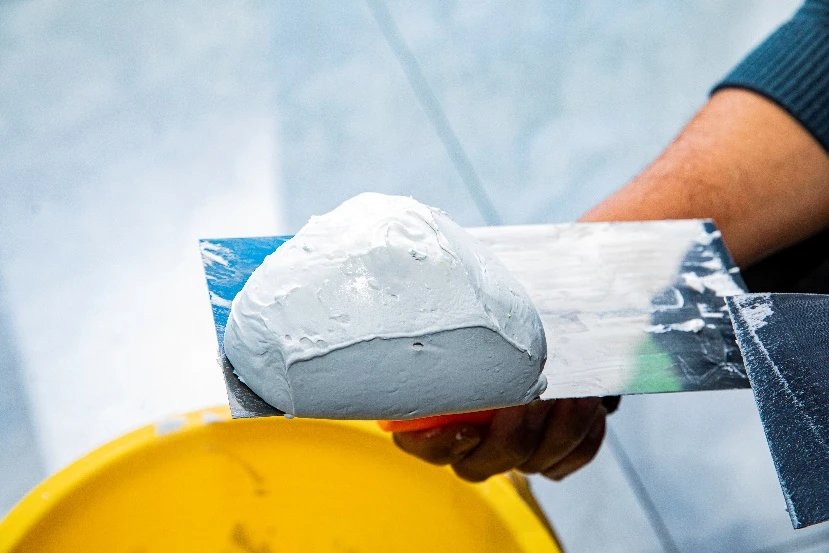
Gypsum retarder is an important construction additive, designed to extend the setting time of gypsum materials, thereby improving the operability of construction. This chemical is widely used in the construction industry, especially in projects requiring a long construction time, and plays a vital role. Due to the short setting time of traditional gypsum, it limits the large-scale and complex construction process, and after the addition of retarder, workers can more easily carry out fine construction and adjustment, ensuring the construction quality and efficiency. The main components of gypsum retarder can include a variety of organic and inorganic substances, such as sodium citrate, tartaric acid and so on. By reacting with dissolved components in gypsum, these substances delay the hydration reaction rate of gypsum, thus delaying the initial and final coagulation time. This delay does not affect the final strength of the plaster, ensuring the durability and stability of the finished product. In recent years, with the improvement of building technology and construction standards, the demand for gypsum retarder continues to grow. New environmentally friendly gypsum retardants are gradually favored by the market, and they use more green and sustainable formulations to reduce the negative impact on the environment. Manufacturers are focusing on the development of efficient and environmentally friendly retarders to meet the sustainable development needs of the modern construction industry. The application of gypsum retarder is very wide, including wall plastering, ceiling, decorative modeling and so on. It ensures the flexibility of construction operation without affecting the physical properties and aesthetics of the finished product. This makes the chemical one of the indispensable materials in modern construction. In general, gypsum retarder as a chemical additive to improve construction convenience and operability, promote the technical progress of the construction industry, while catering to the trend of sustainable development, the future market potential can not be underestimated.
-
Polypropylene fibers have emerged as a revolutionary material in the field of concrete enhancement, offering compelling benefits that make them an indispensable element of modern construction projects. Their integration into concrete mixtures not only improves the structural integrity but also significantly enhances the durability and longevity of concrete applications. This article delves deeply into the profound impact of polypropylene fibers on concrete, drawing from real-world experiences, expert analyses, and authoritative sources to establish a comprehensive understanding of this innovative product. Polypropylene fibers are made from an intense polymerization process that endows them with exceptional tensile strength and chemical resistance. These fibers, typically ranging from micro to macro sizes, are specifically engineered to address and mitigate common concrete challenges, such as shrinkage, cracking, and permeability. Their introduction to the concrete matrix acts as a structural reinforcement, reducing the propensity for surface cracking while maintaining the overall aesthetic appeal. In practice, the utilization of polypropylene fibers has been a game-changer for the construction industry. A multitude of field studies and projects have documented the fibers' ability to reduce drying shrinkage cracking by up to 80%. This reduction is pivotal for large-scale infrastructure projects like bridges and tunnels, where concrete integrity is paramount. Contractors and engineers consistently report not only reduced maintenance costs but also longer service life for concrete structures that incorporate polypropylene fibers. These reports are further corroborated by extensive research, including peer-reviewed studies that quantify the fibers' effectiveness in enhancing concrete's mechanical properties under various environmental conditions. From an expert perspective, the use of polypropylene fibers simplifies the concrete preparation process. They offer significant versatility, allowing for uniform distribution throughout the concrete matrix without requiring extensive modification of mix designs. Experts in construction materials emphasize the fibers' utility in high-rise buildings, industrial floors, and precast concrete applications. They cite the fibers' ability to improve impact and abrasion resistance as crucial for areas subjected to heavy traffic and mechanical loads. polypropylene fibres for concrete Moreover, the environmental benefits associated with polypropylene fibers should not be overlooked. Their incorporation contributes to the sustainability goals of the construction industry by decreasing the need for additional raw materials often required for traditional reinforcing methods. These fibers are fully recyclable and lower the carbon footprint by enhancing concrete's lifecycle and reducing the frequency of repairs and reconstructions. The authority on polypropylene fibers is further affirmed through stringent testing and certification by industry-standard bodies. Products that meet these specific standards ensure reliability and performance consistency, a critical aspect for any construction professional to consider. Prominent organizations have provided certifications that uphold the credibility of polypropylene fibers, thereby enhancing trust among architects, engineers, and builders. Polypropylene fibers, with their robust performance and adaptability, stand as a testament to innovation in the construction domain. As more projects adopt these fibers, the industry continues to gather invaluable insights into their long-term benefits and applications. Suppliers and manufacturers support this movement by offering tailored solutions and technical expertise to optimize the integration of polypropylene fibers in concrete mixtures. Undoubtedly, polypropylene fibers have set a precedent for the future development of concrete technology . Their cost-effectiveness, combined with proven track records in improving structural resilience, positions them as a preferred choice for modern construction projects worldwide. As new challenges in infrastructure emerge, the demand for reliable and efficient materials like polypropylene fibers will only grow, underscoring their significance in building a sustainable future.
advantages
-

200000 Viscosities
Excellent product
We can produce pure products up to 200,000 viscosities
-

40000 tons
High yield
We don’t stop production all year round, and the annual output can reach 40,000 tons
-

24 hours
Quality service
We provide 24-hours online reception service, welcome to consult at any time
———— Inquiry Form
Schedule A services

-
 hpmc_solutions_llc
Oct . 25, 2025
In the construction world, performance and durability are top priorities. Hydroxypropyl methylcellul - fiber_used_in_concrete
Oct . 25, 2025
The Importance of Wood Cellulose in Modern Applications Wood cellulose, an organic compound derived -
 cout_de_la_fibre_de_polypropylene_par_kg
Oct . 25, 2025
Hydroxypropyl Methylcellulose (HPMC) sheets are increasingly recognized for their versatile applicat


